The Painful Reality.
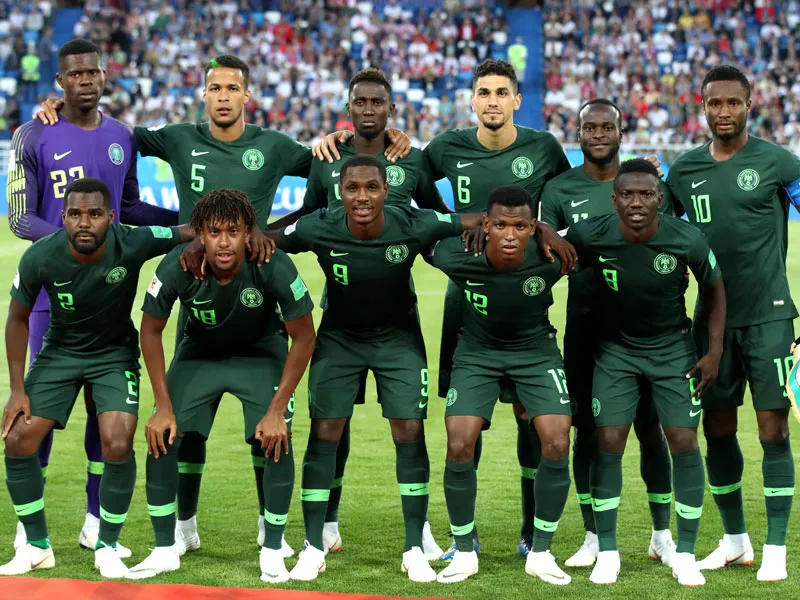
The year 2026 is not the destination of Nigeria. FIFA World Cup. Even as you type it, the sentence still evokes a sense of surreality, particularly given that this tournament has grown to 48 teams, with Africa securing 10 team spots. Ten spots. One of the most decorated teams on the continent, the Super Eagles, was unable to secure a single spot. The failure to qualify for the competition is a painful story, just like most Nigerian football defeats. It's not because of insufficient talent; it'll be due to accumulated administrative chaos, tactical uncertainty, and occasional personal failure during the worst possible circumstances. The CAF playoff final against DR Congo in Rabat, Morocco resulted from a 4-3 penalty shootout. Consequently, the dream came to an end. The. The absence of the three-time African champion will prevent Nigeria from advancing to the 48-team World Cup in North America, which was previously a comfortable tournament for Nigeria.
The Talent That Was Never the Issue.
In all honesty, the Super Eagles possess one of the most technically proficient players they've ever had. Among the most talented strikers in world football is Victor Osimhen. Premier League-level goalkeeper Maduka Okoye during his peak season.. William Troost-Ekong is a veteran and head of the backline.' Calvin Bassey's central defender position is quite active. Among Fulham's most consistent midfielders in the Premier League is Alex Iwobi. Nottingham Forest's Ola Ainare has been outstanding this season. Based on the surface, this is a team that should compete at any level. The talent pool has not been the problem.' Problems lie elsewhere - in the carousel of coaching, in squad selection fiascos, with instability at the NFF, and more importantly within the football community as it has been unable to translate raw talent into tournament form. Why is this?
The coaches who were unsuccessful in getting things right.
The years 2022 to 2020 witnessed the use of coaches such as Finido George and Eric Chelle by Nigeria. Each appointment came with optimism. Each ended with disappointment. When Chelle was appointed in January 2025, he had an authentic family history and systematic approach, but the qualification campaign was already on the brink of collapse. The Nigerian team came in second place in their qualifying group, which meant they had to take on the playoffs, and when Rabat was experiencing its highest pressure, the system unraveled.
Looking Forward.
It's a chapter in Nigerian football that hopefully will lead to some real reckoning, not just because the team missed out on World Cup glory. But the NFF needs to do something about the administrative structure. Consistent coaching, proper guidance, and a long-term plan are all important. Young players such as Raphael Onyedika and Fisayo Dele-Bashiru need a stable environment in which to grow within the national team setup.The 2030 target is the next AFCON.?... World Cup cycle. In football, Nigeria has the potential to be a true powerhouse in Africa and arguably one of its strongest teams on the world stage. That demands more than just talent. The right institutions, the appropriate patience, and the correct decisions at every level are essential. The 2026.